Tuesday, January 27, 2026

Research- Opening Sequence in Slasher Horror

Importance of the first two minutes:

- The first two minutes answer three important questions:
    ~ Where are we? (setting)
    ~ What is the vibe? 
    ~ Are we safe? (in slasher horror, the answer is usually no)
    ~ The "jolt" factor (a jump scare or significant plot beat)

"In Media Res" (chaos start):

- 0:00-0:45: Film opens on a character already in terror. The camera is shaky/claustrophobic.
- 0:45-1:30: "Sound of dread" appears. Either the character hears the killer approaching, or we see a shadow or weapon.
- 1:30-2:00: The first encounter happens. A small struggle followed by a hard cut to the title or jump scare.

"Atmospheric Voyeur" (POV start):

- 0:00-1:00: Long, steady POV shot watching the area of where the potential victim is. This establishes the "predatory gaze".
- 1:00-1:45: We watch the potential victim do everyday tasks, unaware that they are being watched/in danger.
- 1:45-2:00: The killer starts to move closer, and the music dies down or cuts out entirely, ending on a cliff-hanger/making tension high.

"False Normal" (Suspense start):

- 0:00-1:15: Bright lighting and high-energy music. Good vibes between friends or a couple flirting.
- 1:15-1:45: A character steps away to do something, and the lighting changes from warm to cool.
- 1:45-2:00: A "blink-and-you-missed-it" reveals something is wrong (something's out of place).
What's the best opening/s to a slasher? : r/slasherfilms

Sunday, January 25, 2026

Research- Target Audiences of Slasher Horror

 Primary demographics:

- Youth dominated: Gen-z is the most active generation, with nearly 91% of the demographic saying they watch horror movies. The most common ages are 16-24.

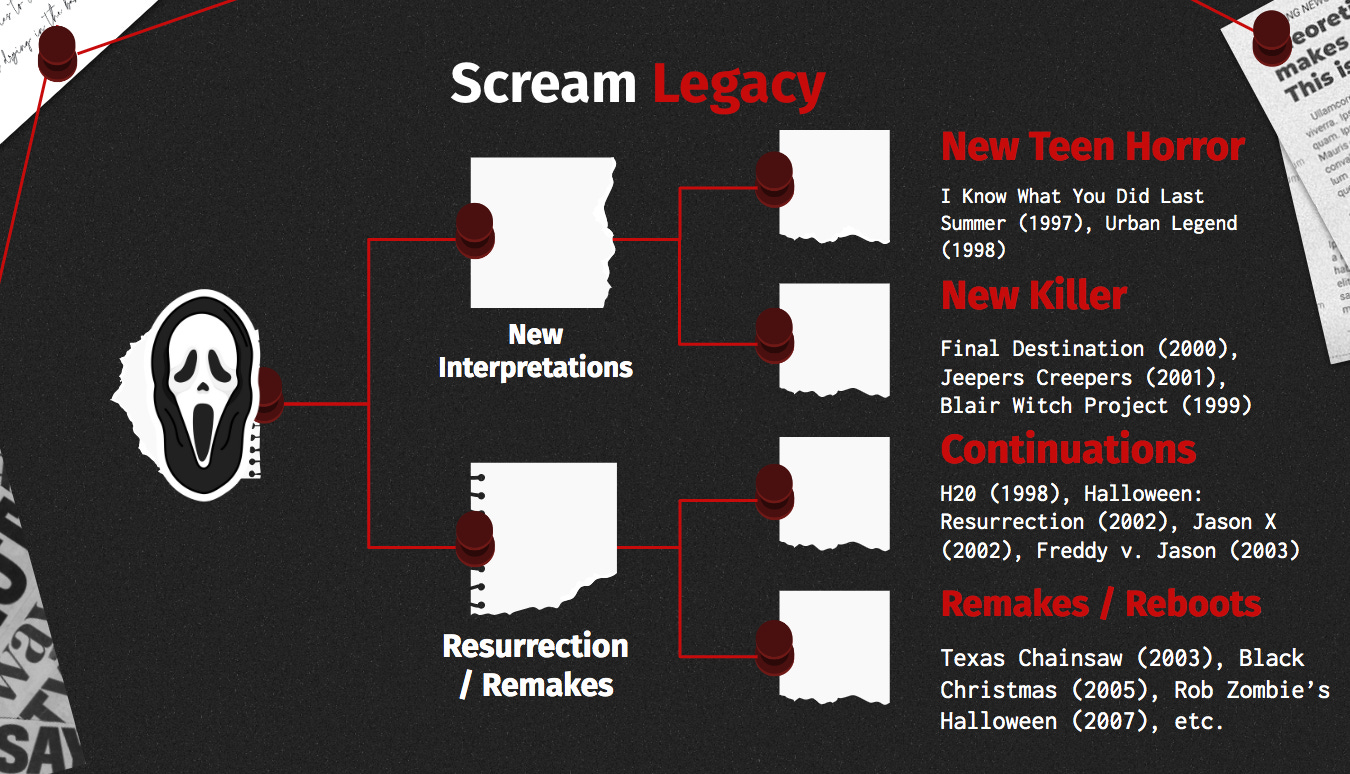
- The 18-19 demographic: This range is the primary target for "legacy" slashers (such as Scream 7). It captures both millennial and gen-z audiences who grew up with the original films.

- Gender split: Modern data shows a balanced split between male and female viewers, despite being traditionally viewed as a male-oriented genre. Female attendance reached nearly 50% in major horror releases in 2025 and 2026.

Psychographic and Behavioral Profiles:

- "Thrill seekers": The audience for these films are characterized by a desperate need for "visceral impact" and thrills over the "slow burn" (metaphorical pacing in psychological horror).

- Aversion to "elevated horror": Recent trends from 2025/2026 have shown a shift away from allegory-heavy films. 78% of horror fans ages 18-34 report weariness with "elevated horror" and prefer straightforward, creative slasher formulas.

- Community Slayers: Slasher fans view the films as "community scream chambers", allowing for social experiences with friends and partners.

Why Do We Love Watching Horror Movies?

Diversity and research:

- High ethnic diversity: Horror draws more diverse crowds to theaters than average blockbusters. Studies show large engagement from Hispanic/Latino (42%), Asian (39%), and Black (39%) audiences.

- Socioeconomic factors: Slashers commonly appeal to working and middle-class audiences because it allows for a release from real-world economic pressures as a "inexpensive thrill".

Emerging 2026 Trends:

- Interactive engagement: The 2026 premier of "Slay Day" turned the theater into a social gaming experiment by allowing viewers to vote on "who dies next" through their phones.

- IP Loyalists: A weighty portion of the 2026 audience consist of collectors tracking down franchises such as "Terrifier", "Evil Dead", and "Scream".

The Slasher Horror: A History - by Kristen

https://www.dcm.co.uk/news/horror-movies-why-theyre-a-treat-for-advertisers

https://www.slideshare.net/slideshow/horror-film-target-audience/40556563https://www.cambridge.org/core/journals/journal-of-american-studies/article/abs/youre-all-doomed-a-socioeconomic-analysis-of-slasher-films/6D25A42DBF4383A617D892099D8C0DB0

https://cinemadailyus.com/news/audience-controlled-interactive-slasher-movie-slay-day-to-premiere-in-theaters-in-fall-2026/#:~:text=Audience%2DControlled%20Interactive%20Slasher%20Movie,as%20Steam%2C%20PlayStation%20and%20Xbox.

Research- Technical Elements of Slasher Horror

Cinematography/Camera techniques:

- POV shot (camera as killer): with this shot, the camera acts as the "eyes" of the killer. 

- Tracking profile shot: The movie "In a Violent Nature" the film used a long-take tracking shot from behind the killer, unlike a traditional POV shot. This tracking shot keeps the camera at a medium-full distance, following the killer from behind.

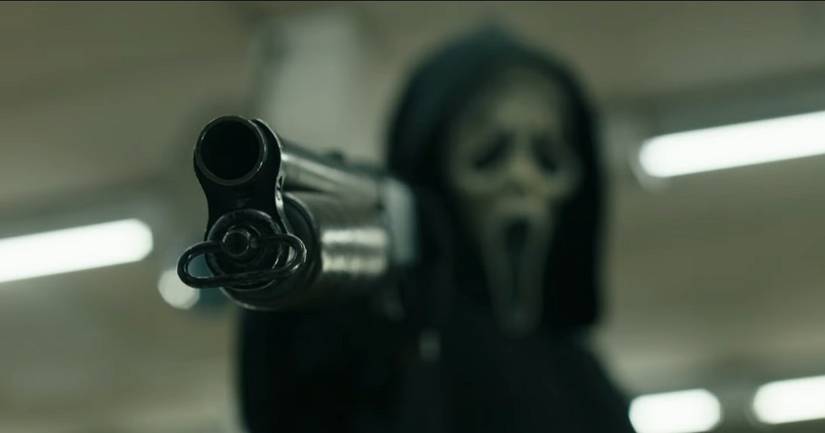
- Hand-held shaky-cam: In "Scream VI" this shot is used. This shot creates unsteady framing, mimicking the panic of the victims, creating a more chaotic and hectic environment.

- Low-angle hero shot: Low-angle shots are used in "Pearl" on the killer rather than the victim. This shot helps make the character look more powerful and dominant on screen.


Scream: The Best Kills in Scream VI, Ranked

Lens and Lighting Choices:

- Deep focus: The director uses a wide-angle lens in "Barbarian", allowing the audience to see clearly into the background of a dark hallway.

- Anamorphic vs. spherical: Older slasher's used anamorphic lenses that create a wide cinematic look with "lens flares". In "Scream VI" a spherical lens is used to create a sharper, flatter image to help make it look more modern.

- High-key lighting: This is very bright lighting that has very few shadows. "Pearl" uses this which is unusual for horror films because it hides the killer in plain sight.

“Either It Blows Up or It Doesn’t†: DP Eliot Rockett on Pearl -  Filmmaker MagazineFilmmaker Magazine

Editing and Sound:

- Jump-cut editing: In modern slasher's, jump cuts (quick, jarring edits) are used during attacks scenes to make the killer's movements look faster than humanly possible.

- J-cuts and L-cuts: J-cuts are used in films to build tension by allowing the audience to hear sounds (like a blade scraping or a heavy footstep) before the killer is actually shown on camera.

- Non-digetic sound stings: In films like "Thanksgiving" these are used. These sounds are loud "blasts" of music that happen during a jump scare.

What is a Jump Cut? 5 Ways to Use Jump Cuts in Film

Practical Special Effects (SFX):

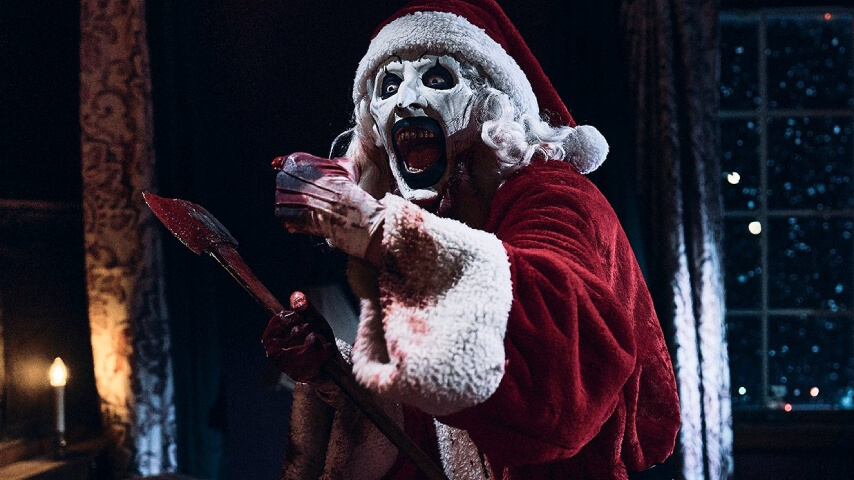
- Squib hits: To show characters being struck. "Terrifier 3" uses pneumatic squibs (compressed air devices that fire fake blood) rather than CGI blood, to make it look more realistic because it adds "velocity" to the blood, and it physically staines the actors clothes.

Terrifier 3 review: Christmas dies in best Terrifier yet


https://blog.pond5.com/29812-something-different-for-scream-vi-cinematography/

https://lenspire.zeiss.com/cine/en/article/cinematographer-zach-kuperstein-shooting-with-zeiss-for-barbarian/#:~:text=For%20the%20most%20part%20we,not%20like%20there's%20no%20character%E2%80%A6

https://www.youtube.com/watch?v=1AIgHj-NGTg&t=30s

https://www.fathomentertainment.com/blog/slasher-movies-are-back/#:~:text=Modern%20slashers%20have%20also%20embraced,sound%20becomes%20amplified%20and%20personal.

https://lwks.com/blog/the-many-faces-of-horror-how-horror-films-are-crafted#:~:text=Particular%20types%20of%20music%20and,feel%20immersed%20in%20the%20story.


Tuesday, January 20, 2026

Research- Horror in Film


After thorough research on multiple genres, my team and I ultimately decided to do horror. There are so many interesting factors behind bringing this genre to life, and we are excited to explore it first hand. We plan on articulating the best film opening possible, and to do this, we must take a deeper dive into the conventions behind a horror film.

Today, we will take a look at the key factors we need to make sure to include in our film. One of the biggest steps to success will be making sure we are knowledgeable on the genre, as well as its conventions. We hope to collectively gather enough research to grasp a strong understanding of what makes a horror movie a horror movie, so we can begin looking for movies that execute these conventions well for our inspiration for our film opening.

Conventions:

- Mise-en-Scène: Focus on isolated settings, restricted color pallet (blacks, deep reds, and cold blues), props that signal "iconography" (discarded personal items), as well as broken mirrors and flickering lights.

- Cinematography: The use of Dutch Angles (camera tilt) to bring physical uneasiness to the audience. POV shots to make the viewer feel as though they are the predator or they are being watched.

- Sound design: The use of dissonant chords (notes that don't flow), diegetic sound (creaky floorboards and heavy breathing), and silence help create a sense of fear and unbearable tension.

- Editing: Begin with slow pans/ long takes to build dread, then switch to rapid cuts during a chase or scare to disorient the audience.

Narrative structure of an opening:

- Establish equilibrium: Showing a normal life/world that is about to be destroyed (ex: happy family).

- Hook: Many horror films begin with a killing or supernatural event involving characters that have not been introduced yet, showing the audience there is a real threat before they meet the protagonists.

Psychological research:

- Tension and release: There must be a long period of silence/tension before a jump scare in order for it to be successful.

- Unknown: The fear of the unknown acts as a more powerful tool than a visible monster/threat (use shadows in the opening to create curiosity from the audience).

- Catharsis: Controlled fear allows for the audience to enjoy the fear factor by being allowing them to process anxiety.

Monday, January 19, 2026

Research- Horror in Depth

 Psychological Horror:

Psychological horror focuses on emotional states of the characters rather than physical monsters/threats. They are able to build tension through suspense and internal struggles, rather than physical violence. This is a powerful tool because it makes the viewers themselves question what is real.

An example of this would be The Shining. In The Shining, psychological horror is shown through blurring lines between supernatural events, and the main character, Jack Torrance's mind, deteriorating his mental state.


Slasher Horror:

Slasher horror usually focuses on an antagonist, for example, a serial killer, that stalks and kills a group of people slowly. Films that use slasher horror typically focus on tropes such as "the last one standing" or a signature weapon.

A good example of slasher horror would be the Scream series. In each film, there is a killer in the iconic ghost face mask, along with the hunting knife that is used to kill people in the film. Scream creates a dualistic environment of both comedy and horror by having the characters make fun of movie clichés as they happen.


Supernatural Horror:

In these movies, the threat comes from non-physical entities. For reference, ghosts or demons. In supernatural horror films, themes of haunting or possession are frequently used. Commonly used tropes are creepy dolls, failing technology, and invisible forces.

The Conjuring is a good example of supernatural horror. This film depicts the demonic possession of a young girl and the later attempt to save her.


What We Chose:

After researching a few different types of horror, we decided to do with slasher horror. We chose this type of horror because of the thrill the comes with the running from a killer, as well as the simple guidelines that follow slasher horror. The common theme of a  killer going after a group of teenagers would be easy to manipulate for our film opening.

https://www.masterclass.com/articles/horror-movie-guide

https://www.capture.com/blogs/insights/horror-movies-from-the-80s

Monday, January 12, 2026

Research- Exploring Three Film Genres


This week begins the process of making our vision a reality. The first task on the list is researching a few different film genres. I have a general idea for what conventions bring to life each genre, but to ensure we can bring our film to life, we need to have a strong basis. After this research is complete, we can then move on to the sketch pad.

Through researching various different genres, it allows us to really understand what goes on behind the,. scenes of some of the biggest movies, and help us decide what genre we would be able to execute best. We want to be able to hit every point in our film opening, and in order to do this, it is important we complete thorough research on a few genres, so we don't jump into something blind.

My team and I will make a decision collectively, but for now, we will each conduct our own research, the come back and recap all that we've learned to make a final decision. I am excited to explore all of these different genres and get a good idea of what we are capable of!


Horror

- Atmosphere and setting: Unsettling music, eerie lighting, and isolated locations, create a dark, disturbing vibe.

- Tension/suspense: Jump scares, fast camera movements, and slow pacing keeps viewers on edge and unaware of what could happen next.

- Characters: A common factor in horror movies is to develop relatable characters so the audience develops a care for their survival, making the horror much more impactful.

- The unknown: One of the most powerful tools in this genre is the fear of what you can't see or understand. Not showing the "monster" amplifies this effect.

- Examples: The Conjuring, Jaws, The Shining

Comedy

- Plot/structure: A clear beginning, middle, and end, often including escalating comedic situations.

- Conflict and resolution: A definitive problem for the character to solve creates stakes and humor.

- Characters: Relatable and silly characters drive the comedy.

- Dialogue: Witty, sharp, and ironically timed lines are essential in this genre.

-Examples: Deadpool, The Hangover, Ted

Romance

- Lighting: Soft lighting is used to create intimate moments and flattering shots.

- Music: A powerful and memorable soundtrack enhances emotional moments. The inclusion of iconic/popular songs allows for people to correlate the music to the movie.

- Connection: Compelling reasons for characters to fall in love.

- Iconic moments/imagery: Scenes or lines that become synonymous to the film.

- Examples: The Notebook, Titanic, Romeo and Juliette 

https://www.slideshare.net/slideshow/typical-conventions-of-romance/6604705

https://en.wikipedia.org/wiki/Comedy_film

https://www.slideshare.net/slideshow/codes-and-conventions-in-the-horror-genre/53168614

Creative Critical Reflections

#1- How does your product use or challenge conventions and how does it represent social groups or issues? #2- How does your product engage w...