Cinematography/Camera techniques:
- POV shot (camera as killer): with this shot, the camera acts as the "eyes" of the killer.
- Tracking profile shot: The movie "In a Violent Nature" the film used a long-take tracking shot from behind the killer, unlike a traditional POV shot. This tracking shot keeps the camera at a medium-full distance, following the killer from behind.
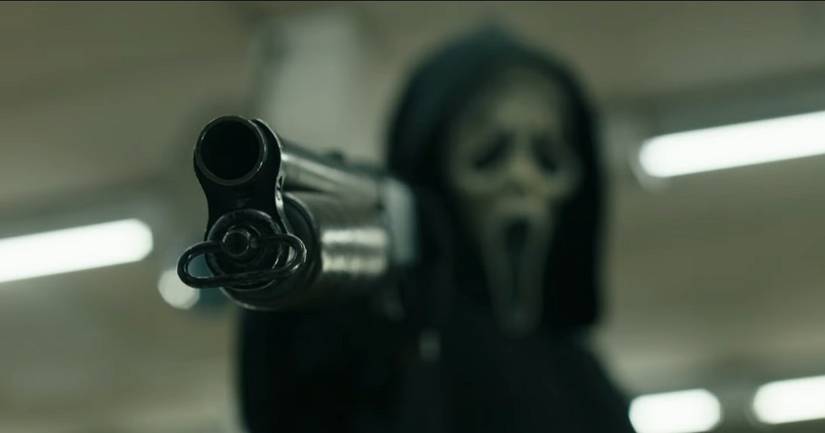
- Hand-held shaky-cam: In "Scream VI" this shot is used. This shot creates unsteady framing, mimicking the panic of the victims, creating a more chaotic and hectic environment.
- Low-angle hero shot: Low-angle shots are used in "Pearl" on the killer rather than the victim. This shot helps make the character look more powerful and dominant on screen.
Lens and Lighting Choices:
- Deep focus: The director uses a wide-angle lens in "Barbarian", allowing the audience to see clearly into the background of a dark hallway.
- Anamorphic vs. spherical: Older slasher's used anamorphic lenses that create a wide cinematic look with "lens flares". In "Scream VI" a spherical lens is used to create a sharper, flatter image to help make it look more modern.
- High-key lighting: This is very bright lighting that has very few shadows. "Pearl" uses this which is unusual for horror films because it hides the killer in plain sight.

Editing and Sound:
- Jump-cut editing: In modern slasher's, jump cuts (quick, jarring edits) are used during attacks scenes to make the killer's movements look faster than humanly possible.
- J-cuts and L-cuts: J-cuts are used in films to build tension by allowing the audience to hear sounds (like a blade scraping or a heavy footstep) before the killer is actually shown on camera.
- Non-digetic sound stings: In films like "Thanksgiving" these are used. These sounds are loud "blasts" of music that happen during a jump scare.
Practical Special Effects (SFX):
- Squib hits: To show characters being struck. "Terrifier 3" uses pneumatic squibs (compressed air devices that fire fake blood) rather than CGI blood, to make it look more realistic because it adds "velocity" to the blood, and it physically staines the actors clothes.

https://blog.pond5.com/29812-something-different-for-scream-vi-cinematography/
https://www.youtube.com/watch?v=1AIgHj-NGTg&t=30s


.jpeg)

No comments:
Post a Comment